
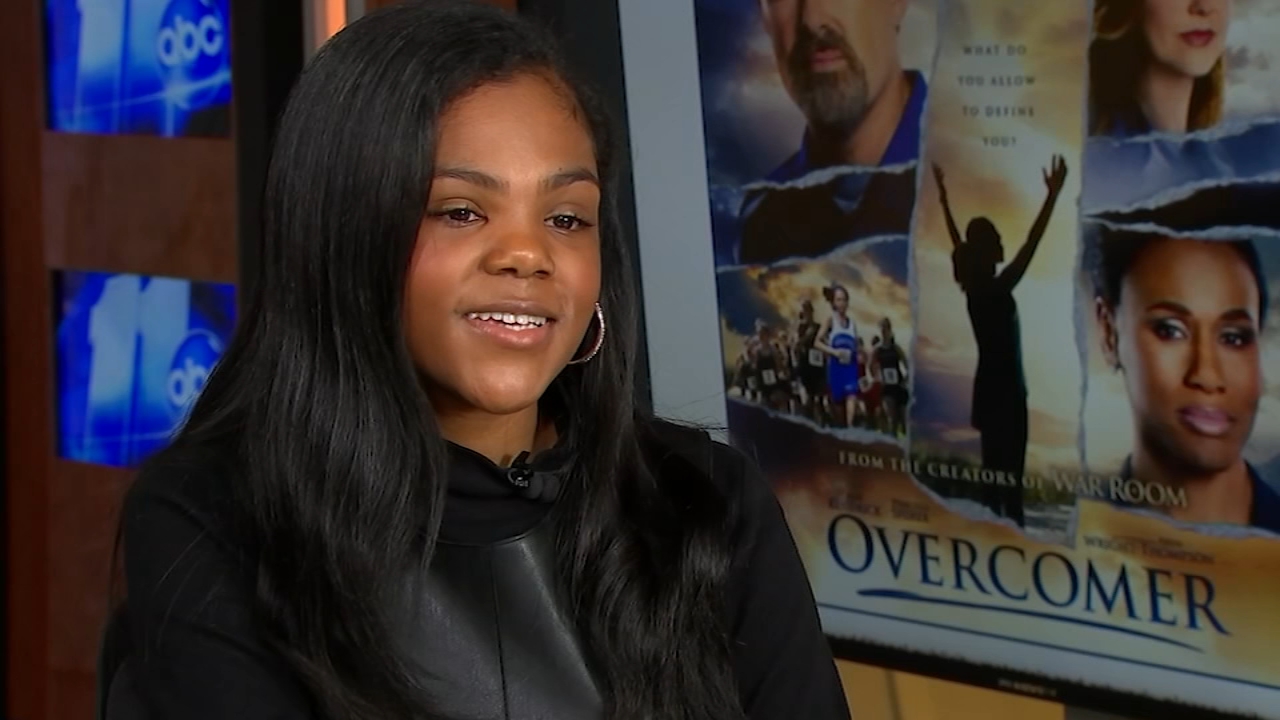
The global film industry has witnessed a noticeable rise in the production and consumption of faith-based films over the past two decades. These films, rooted in religious and moral themes, have grown from niche productions to major box-office successes, catering to audiences seeking inspirational content. From Hollywood to Nollywood, faith-based cinema has become a powerful medium for storytelling, cultural expression, and spiritual engagement. As Uganda’s film industry—often referred to as “Ugawood”—continues to evolve, there is much to learn from global trends and, more importantly, much to offer to the world.
Global Trends in Faith-Based Film
Faith-based films have carved out a strong commercial and cultural niche, particularly in the United States. Films such as The Passion of the Christ (2004), directed by Mel Gibson, stunned critics and audiences alike, grossing over $600 million worldwide. Its success proved that faith-driven content could achieve blockbuster status if handled with emotional authenticity and technical excellence.
Another milestone was the success of War Room (2015) by the Kendrick Brothers, a modestly budgeted film ($3 million) that grossed over $70 million. The film emphasized the power of prayer and resonated with Christian audiences across the globe. More recently, Jesus Revolution (2023) dramatized the spiritual revival of the 1970s and found success both in theaters and on streaming platforms, appealing to both older Christians and younger seekers of spiritual meaning.
Outside the U.S., Nigeria’s Nollywood has made significant inroads into faith-based filmmaking. Films like Dry (2014) by Stephanie Linus and The Train (2020), a biopic on Nigerian evangelist Mike Bamiloye, demonstrate how African Christian stories are finding resonance on digital platforms like YouTube, IROKOtv, and Netflix. These films fuse African culture with Christian themes, creating a unique blend that appeals to audiences far beyond Nigeria’s borders.
Additionally, the rise of streaming platforms like PureFlix, Affirm Films (Sony Pictures), and faith categories on Netflix and Amazon Prime has provided a global distribution network for religious content, democratizing access for filmmakers and audiences alike.
What Uganda Can Learn
1. Professionalization and Investment:
Ugandan filmmakers can draw inspiration from the production quality and storytelling discipline seen in global faith-based films. While passion is abundant in Uganda’s film scene, investment in writing, cinematography, and post-production is essential. For example, The Chosen, a crowdfunded series about the life of Jesus, raised over $10 million through online support. This shows that audiences are willing to support high-quality content that aligns with their values—an opportunity Ugandan creatives can tap into.
2. Niche Marketing and Community Engagement:
The success of films like War Room was largely due to the filmmakers’ grassroots marketing through churches and Christian media. In Uganda, where churches are central to community life, similar strategies could be used to build anticipation and support for faith-based films. Organizing church screenings, partnerships with religious leaders, and gospel radio promotions can create powerful buzz.
3. Leverage Streaming and Digital Platforms:
With the expansion of mobile internet and affordable smartphones in Uganda, there is great potential for direct-to-consumer models. Platforms such as YouTube, Vimeo, and local OTT services can serve as distribution channels, bypassing the limitations of traditional cinema. Nigerian faith-based films like The Train became viral sensations without ever playing in theaters.
4. Telling Authentic African Faith Stories:
Global audiences are increasingly curious about Africa’s religious narratives, spiritual expressions, and testimonies. Uganda, with its deep Christian heritage, revival movements, and influential preachers, is well-positioned to offer rich, authentic stories. Documenting real-life accounts of faith, such as the transformation of communities through ministries or personal testimonies of redemption, can create powerful films that resonate both locally and internationally.
What Uganda Can Offer the World
1. Unique Testimonies of Revival and Transformation:
Uganda has been home to various Christian revival movements, such as the East African Revival that began in the 1930s. A dramatized retelling of this movement could offer global audiences an African perspective on faith, healing, and reconciliation.
2. Cultural Richness and Spiritual Syncretism:
Unlike Western portrayals of Christianity, Ugandan faith expressions are interwoven with traditional music, dance, and community rituals. These cultural elements can add a fresh aesthetic and emotional depth to faith-based films, showcasing how Christianity has been indigenized in the Ugandan context.
3. Stories of Resilience and Faith in Adversity:
Uganda’s history, marked by political turmoil, HIV/AIDS, and poverty, has also produced countless stories of individuals whose faith sustained them through immense trials. A film like Unbreakable, based on the real story of breast cancer survivor Sheila Kagungu, for example, could resonate with global audiences hungry for authentic, uplifting stories.
4. Youthful Energy and New Voices:
Uganda boasts a young population with strong Christian roots. This demographic is both a market and a source of creative talent. With the right mentorship and tools, a new generation of filmmakers can tell stories that blend spirituality with youthful creativity, much like The Shift (2023), a sci-fi-faith crossover film produced by Angel Studios in the U.S.
Faith-based film is no longer a peripheral genre—it is a growing, vibrant avenue for storytelling that moves hearts, builds communities, and shapes culture. Uganda stands at the threshold of a great opportunity. By learning from global models and boldly telling its own stories of faith, struggle, and redemption, Uganda can not only inspire its people but also become a meaningful contributor to the global canon of faith-based cinema.
The world is listening. Uganda must speak. Through film. Through faith. And through truth told on screen.
Leave a Reply